Demystifying Generative AI for Developers
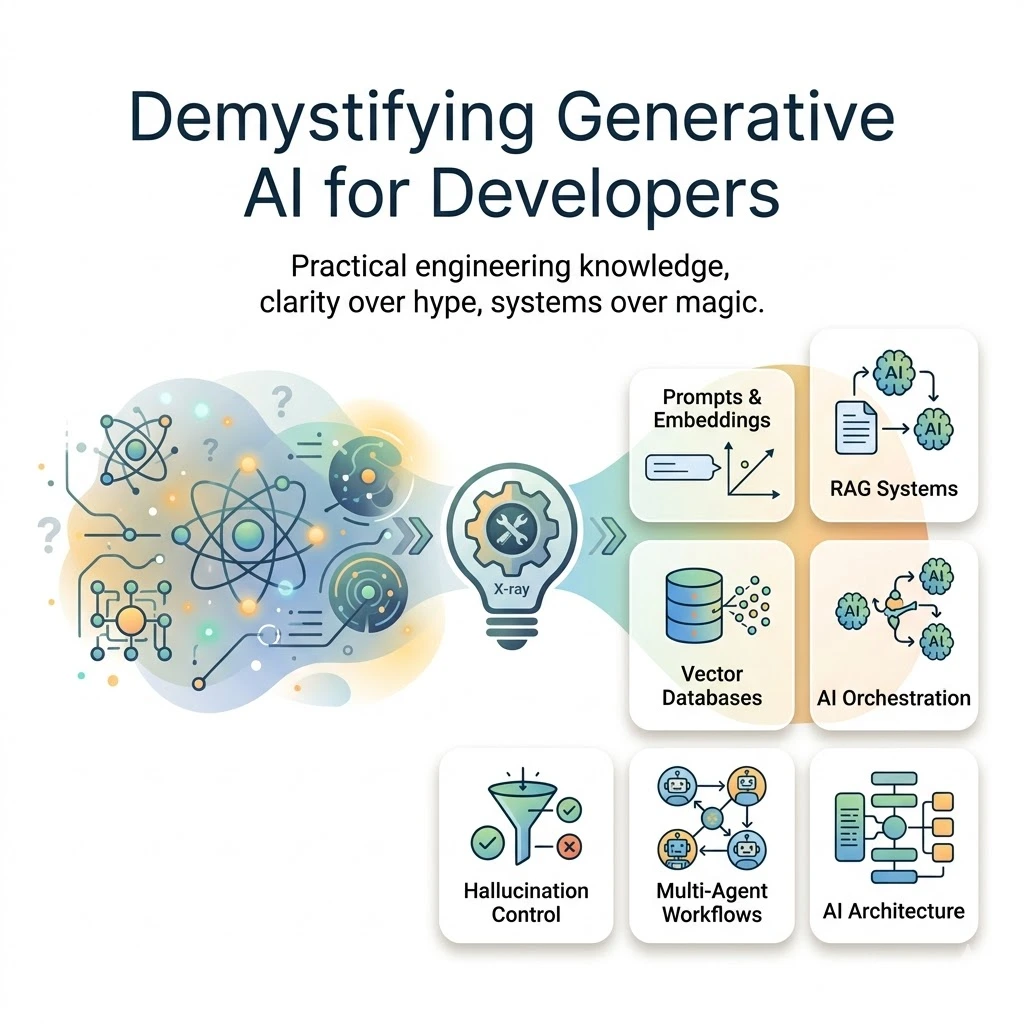
Demystifying Generative AI for Developers breaks down complex GenAI concepts into practical, understandable engineering knowledge. Instead of hype, this series focuses on clarity. Instead of magic, it explains systems. From prompts and embeddings to RAG systems, vector databases, AI orchestration, hallucination control, multi-agent workflows, and production-ready AI architectures — this series is built for developers who want to understand and build real AI-powered systems.
Demystifying Generative AI for Developers
Featured lesson
Foundations: What Exactly Is Generative AI?
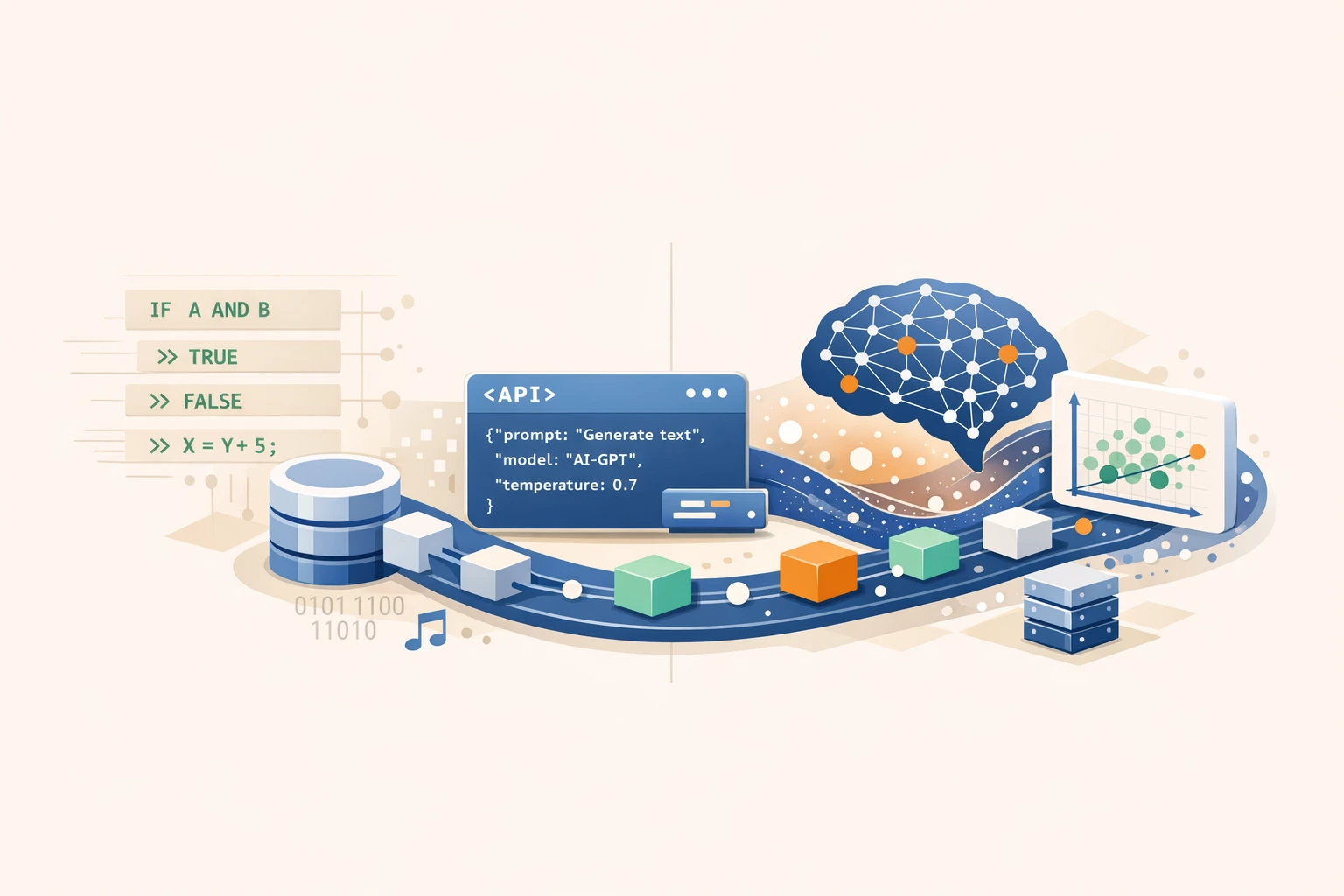
Generative AI shifts software design from static, deterministic rules to fluid, probabilistic patterns. This article maps out how GenAI differs fundamentally from predictive machine learning and traditional coding frameworks without getting lost in abstract mathematical theory.
Course curriculum
Lessons
Foundations: What Exactly Is Generative AI?
Generative AI shifts software design from static, deterministic rules to fluid, probabilistic patterns. This article maps out how GenAI differs fundamentally from predictive machine learning and traditional coding frameworks without getting lost in abstract mathematical theory.
Read →
LLMs Explained Simply
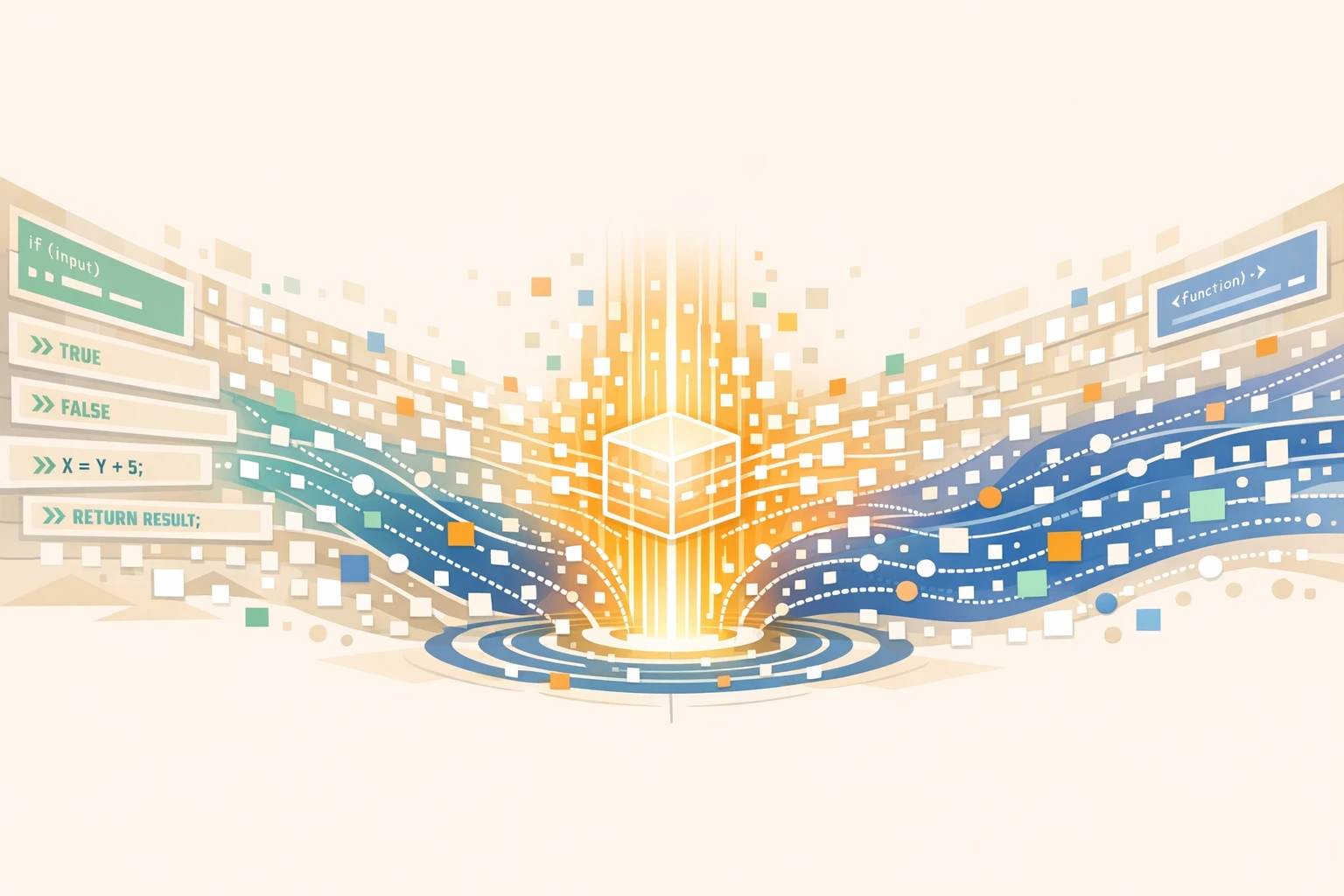
Large Language Models power today's smart assistants, but what are they underneath the hood? Discover how an LLM acts like a highly sophisticated next-token prediction engine trained on billions of strings to discover systemic language patterns.
Read →
Tokens, Embeddings, and Context Windows
Tokens, embeddings, and context windows are the hidden building blocks behind modern AI applications. Developers often use these terms without fully understanding their importance. This article explains how text becomes tokens, how embeddings convert meaning into vectors, and why context windows directly impact AI memory and response quality. Real-world examples from RAG systems, semantic search, and AI assistants make these concepts practical and easy to grasp.
Read →