Complete Learning Series Python & AI Engineering for .NET Developers
A structured, code-first series that takes you from Python basics to production-ready AI systems — written for developers who already know how to build software.
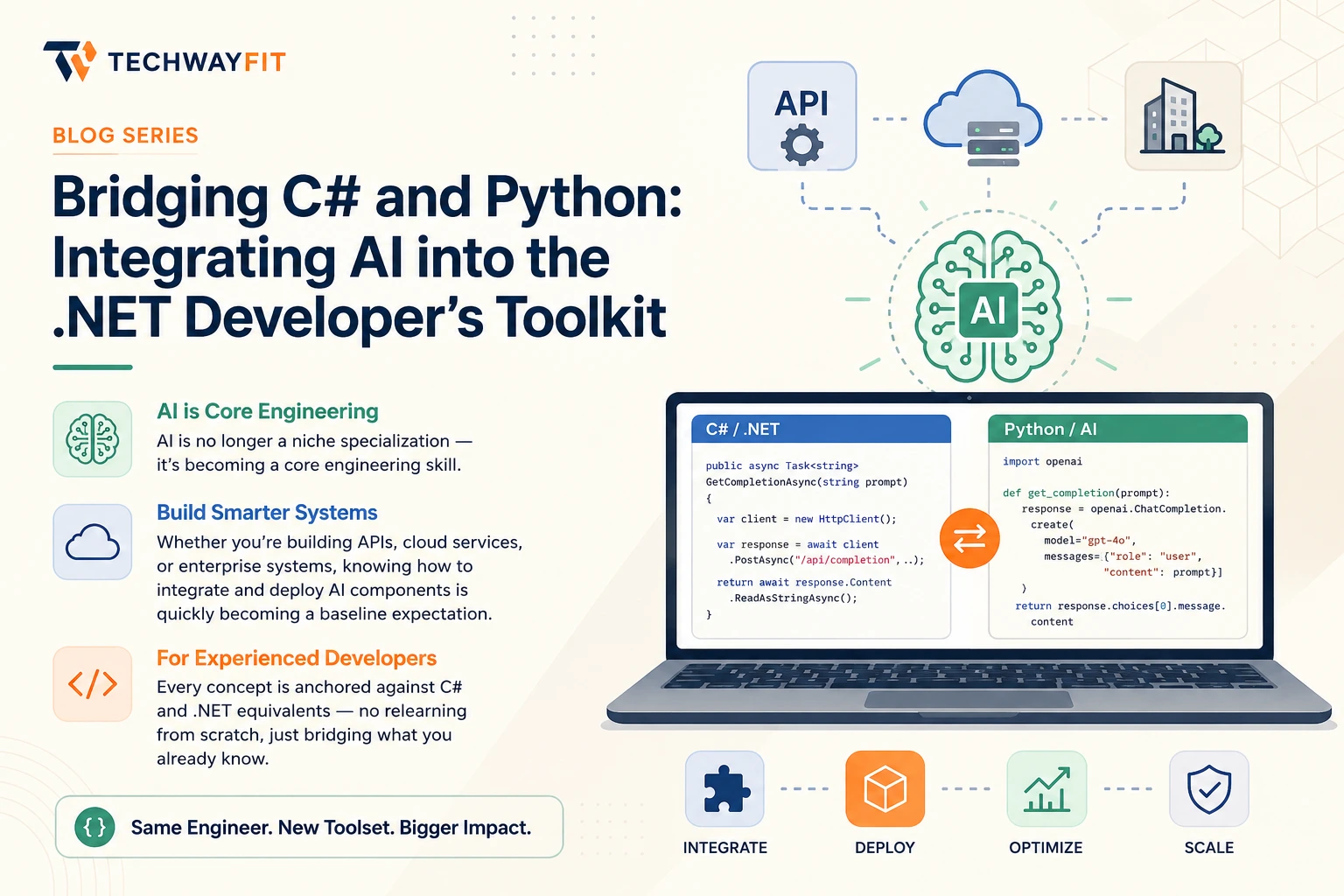
AI is no longer a niche specialization — it's becoming a core engineering skill. Whether you're building APIs, cloud services, or enterprise systems, knowing how to integrate and deploy AI components is quickly becoming a baseline expectation on modern teams.
This series is designed for the experienced developer who already knows how to ship software but hasn't crossed into Python and AI territory yet. Every concept is anchored against C# and .NET equivalents — no relearning from scratch, just bridging what you already know.
What sets this apart is the engineering discipline baked into every lesson. You won't just learn to call an LLM API. You'll learn to build resilient integrations with retries and streaming, validate outputs with Pydantic, manage state in agentic workflows, write tests for non-deterministic AI components, and deploy containerized Python services that hold up in production.
The progression spans 6 phases: Python foundations mapped to C# idioms → type safety and async patterns → tokenization, embeddings, and vector search → prompt engineering and LLM output parsing → observability and containerization for production.
Code examples are real, not toy snippets. Lessons are self-contained enough to read independently, but reward reading in order — each phase genuinely builds on the last. The developers who invest in this foundation now will be the ones trusted to architect AI systems six months from now.
Featured lesson
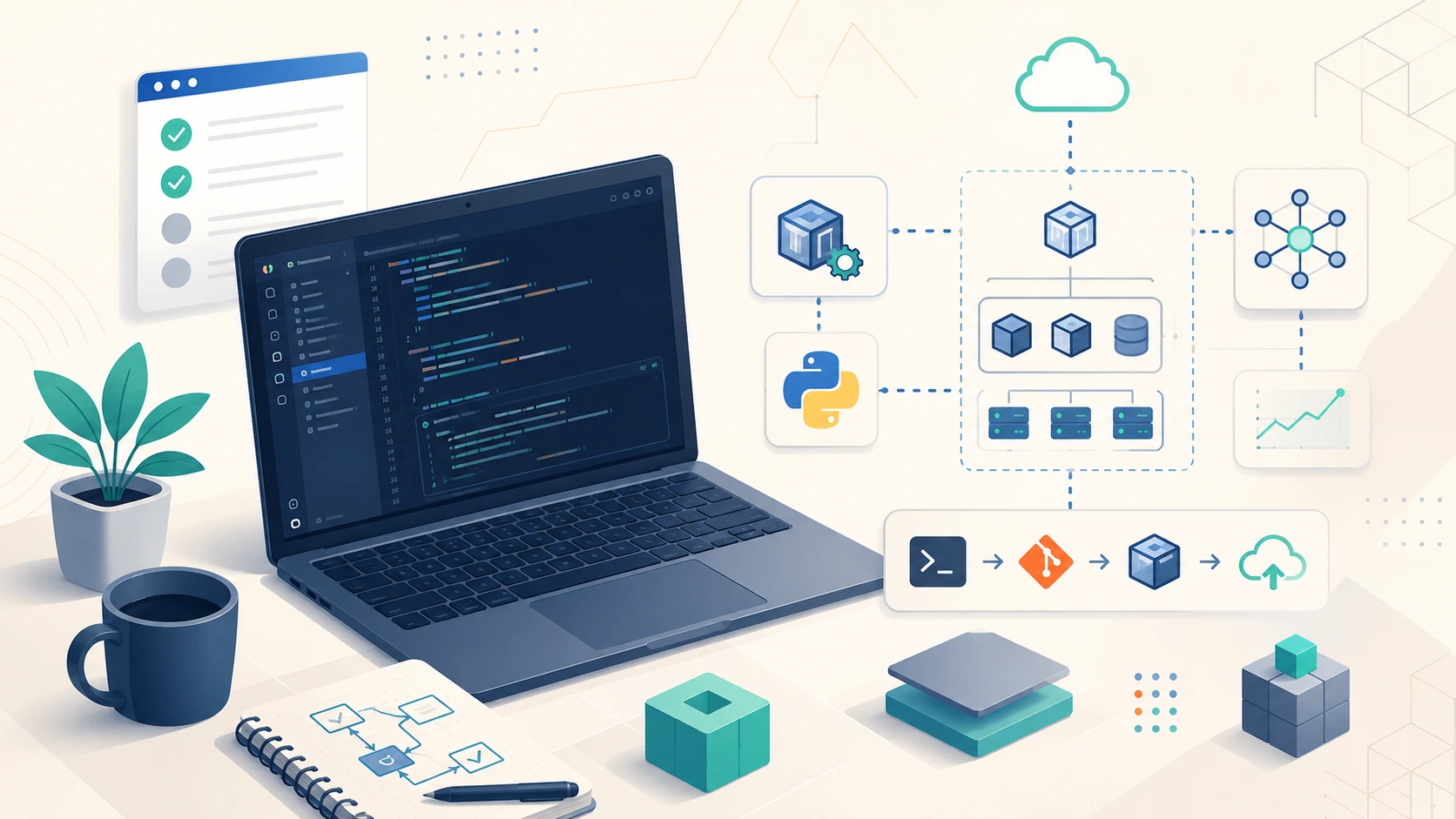
Setting Up a Clean AI Dev Environment
Stop fighting dependency hell before your first API call. Here's how Python pros structure environments for AI projects.
Course curriculum
Lessons
Setting Up a Clean AI Dev Environment
Stop fighting dependency hell before your first API call. Here's how Python pros structure environments for AI projects.
Read →
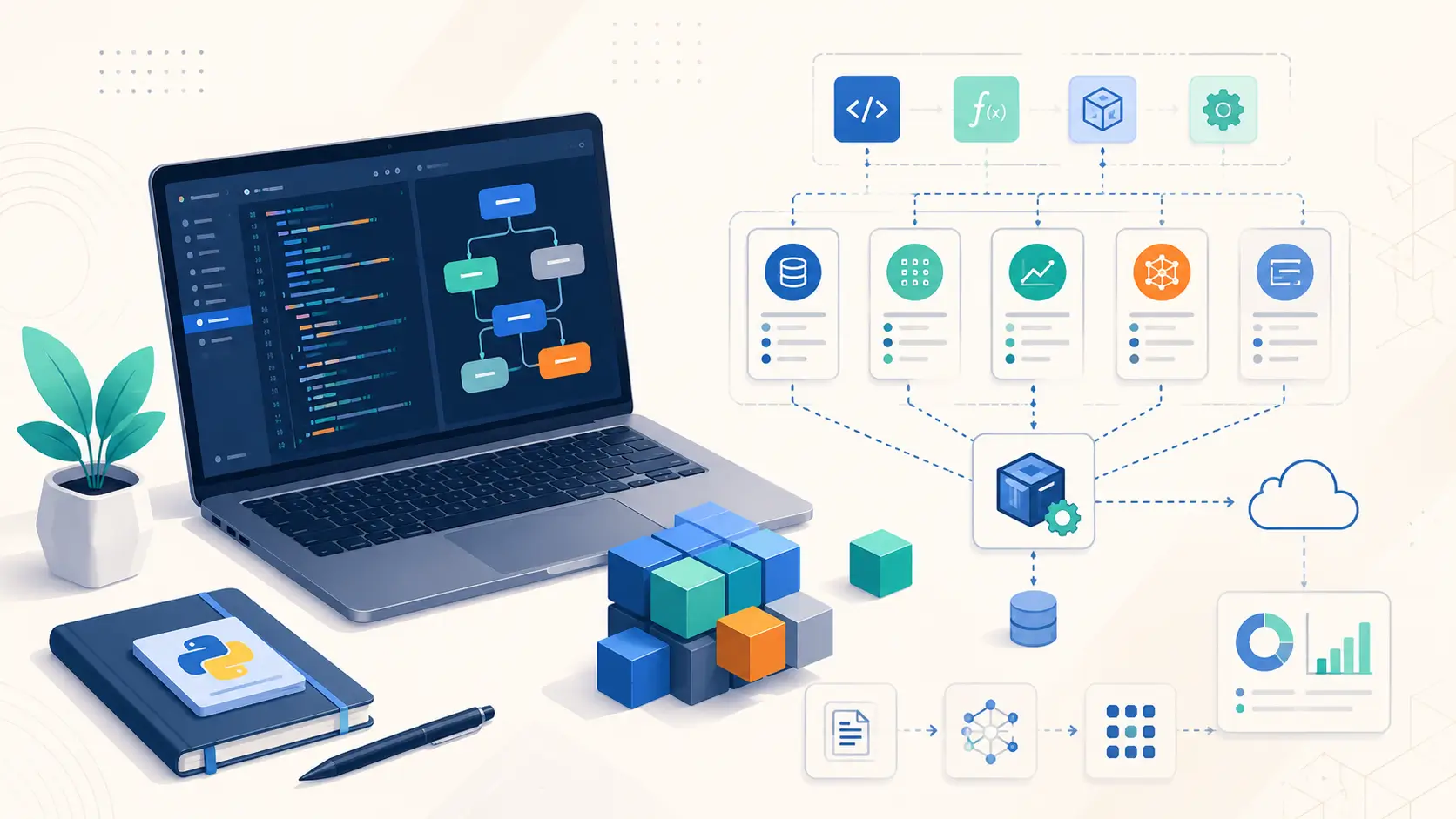
Functions & Modules for AI Applications
Organize your AI code into reusable, testable building blocks — from prompt utilities to client wrappers.
Read →
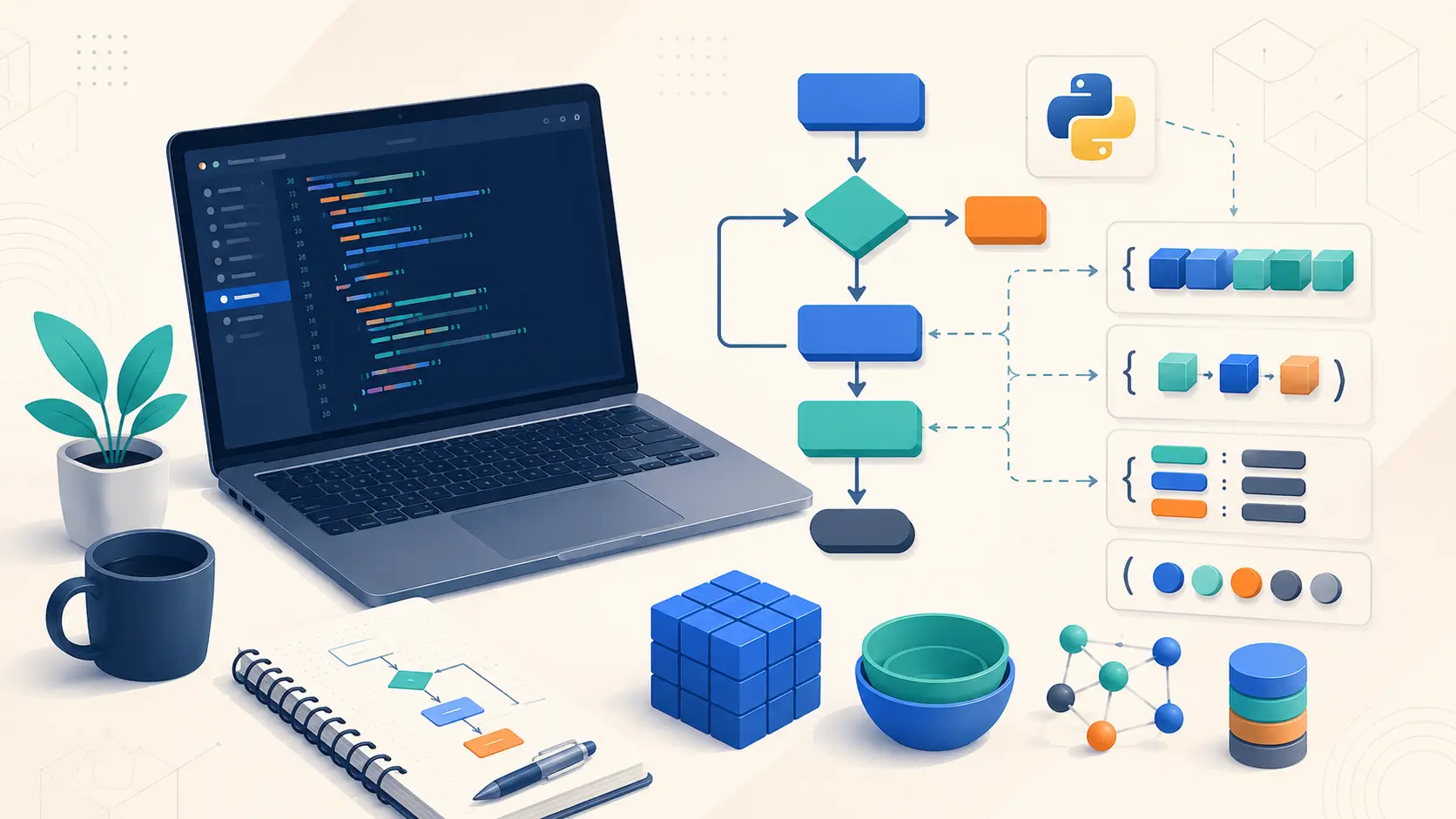
Python Control Flow & Collections
Work with real LLM response data — filter, transform, and extract insights using Python's most powerful collection tools.
Read →
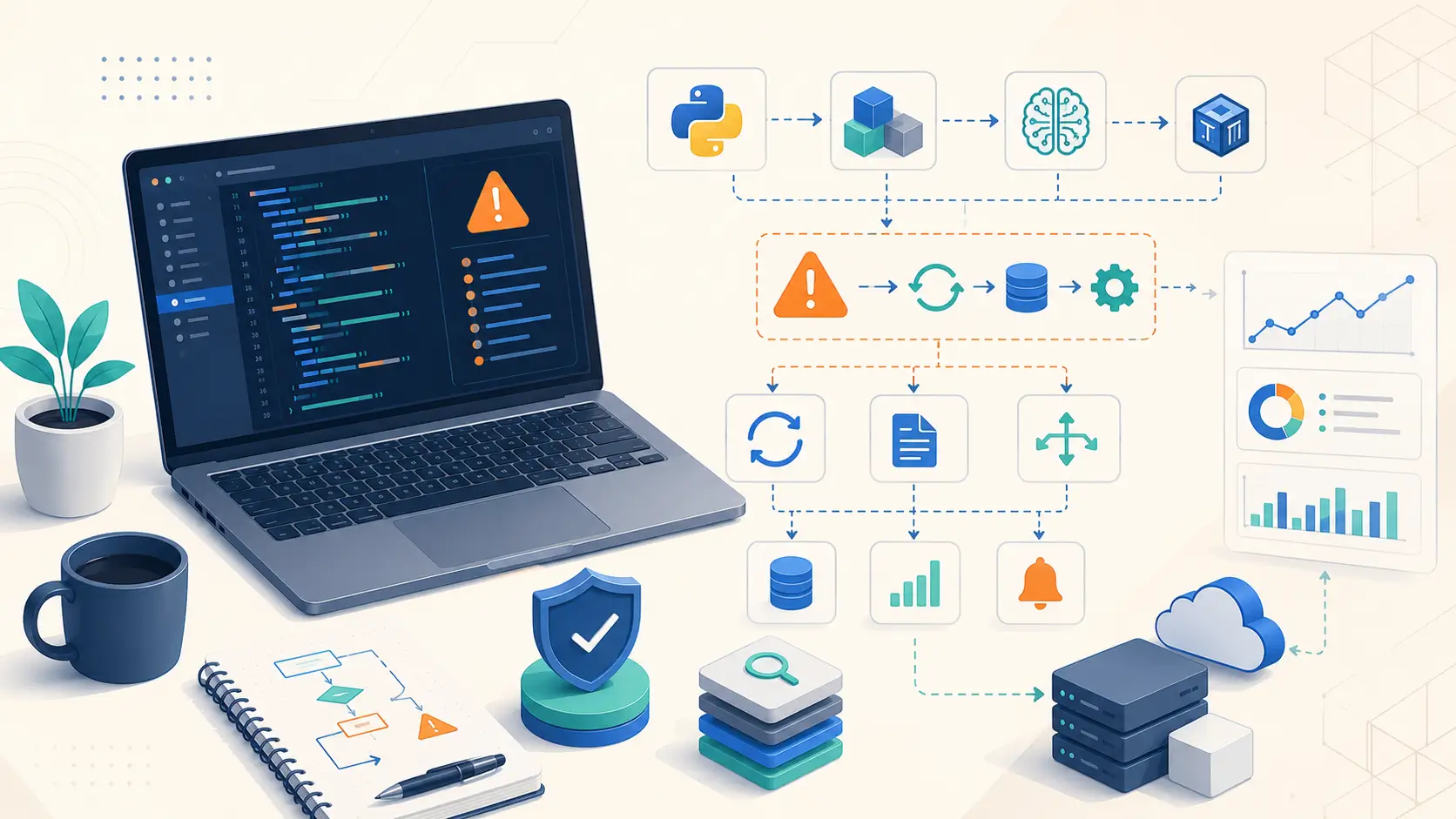
Error Handling for AI Systems
AI APIs fail, rate-limit, and return unexpected data. Build defenses that keep your application running when they do.
Read →
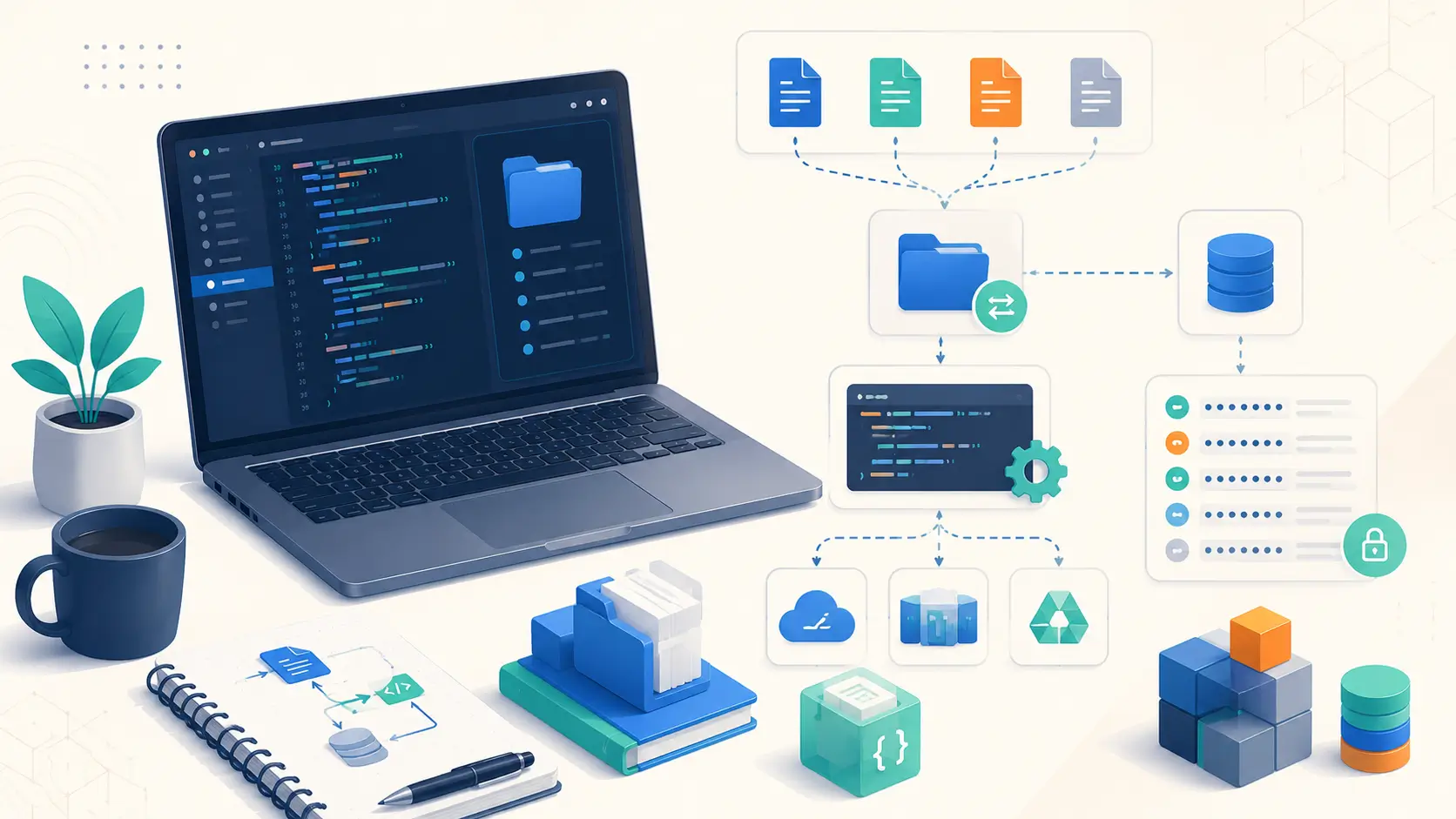
File I/O & Environment Variables
Load prompt templates from disk, manage API keys securely, and configure AI applications across environments.
Read →
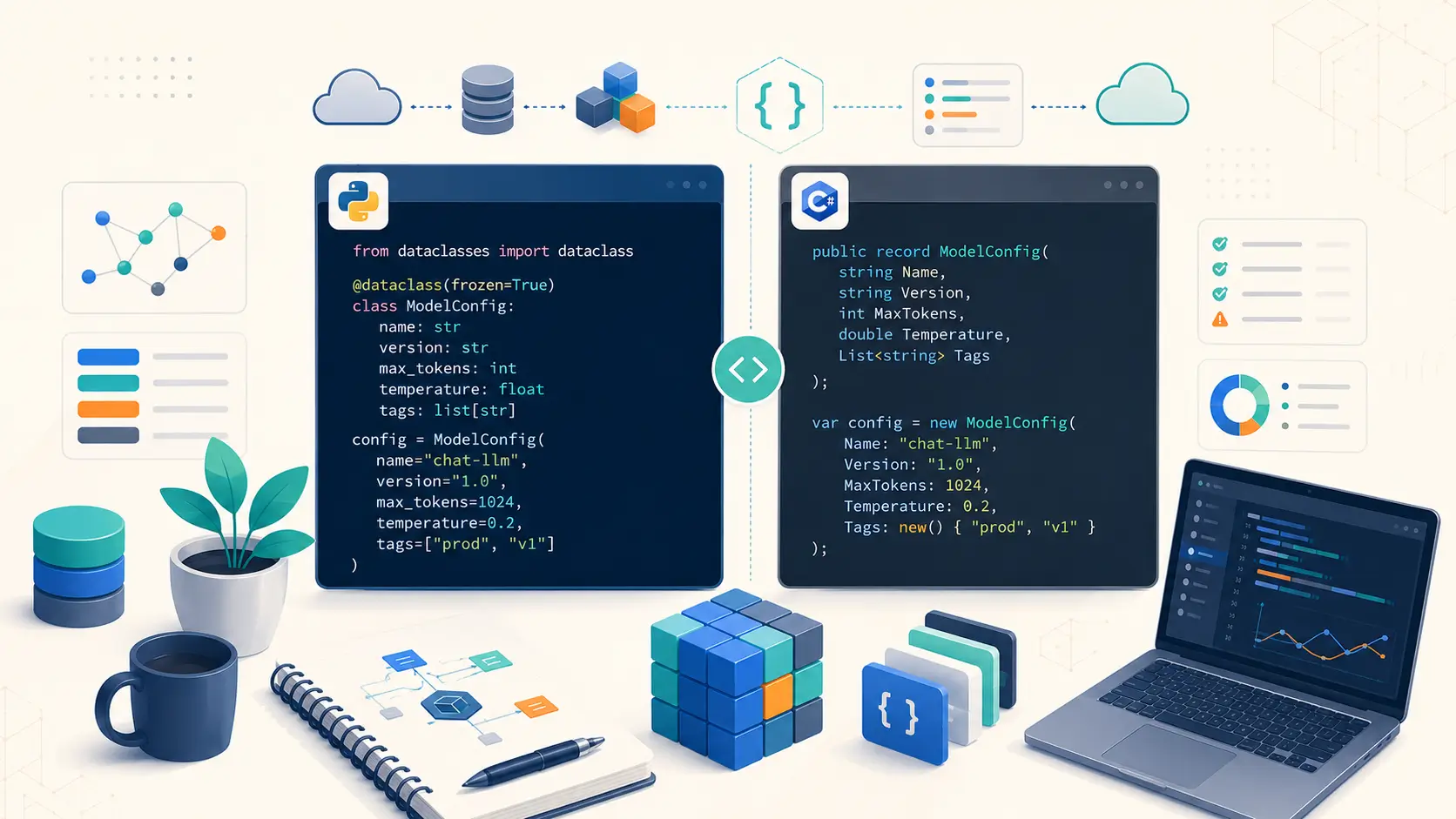
Data classes for Structured Data
Replace anonymous dictionaries with typed, self-documenting data containers — the Python equivalent of C# records. Learn data classes for structured data through practical AI engineering scenarios, focusing on production-ready Python techniques used in modern AI applications, agents, RAG systems, and enterprise architectures.
Read →
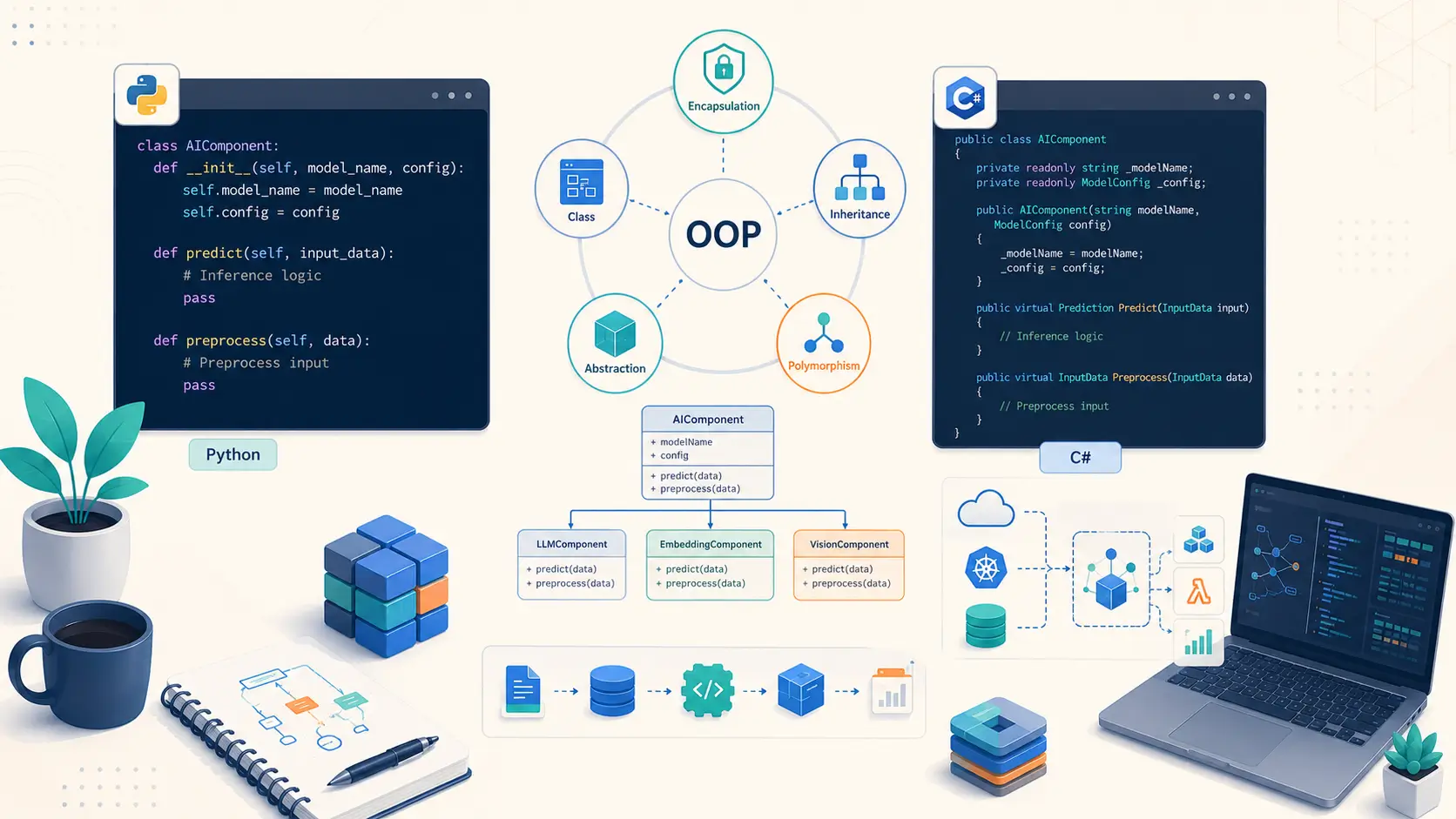
Object-Oriented Python for AI Components
Build an AI client abstraction using Python classes — and see how Python's OOP differs from C# in the ways that matter most.
Read →
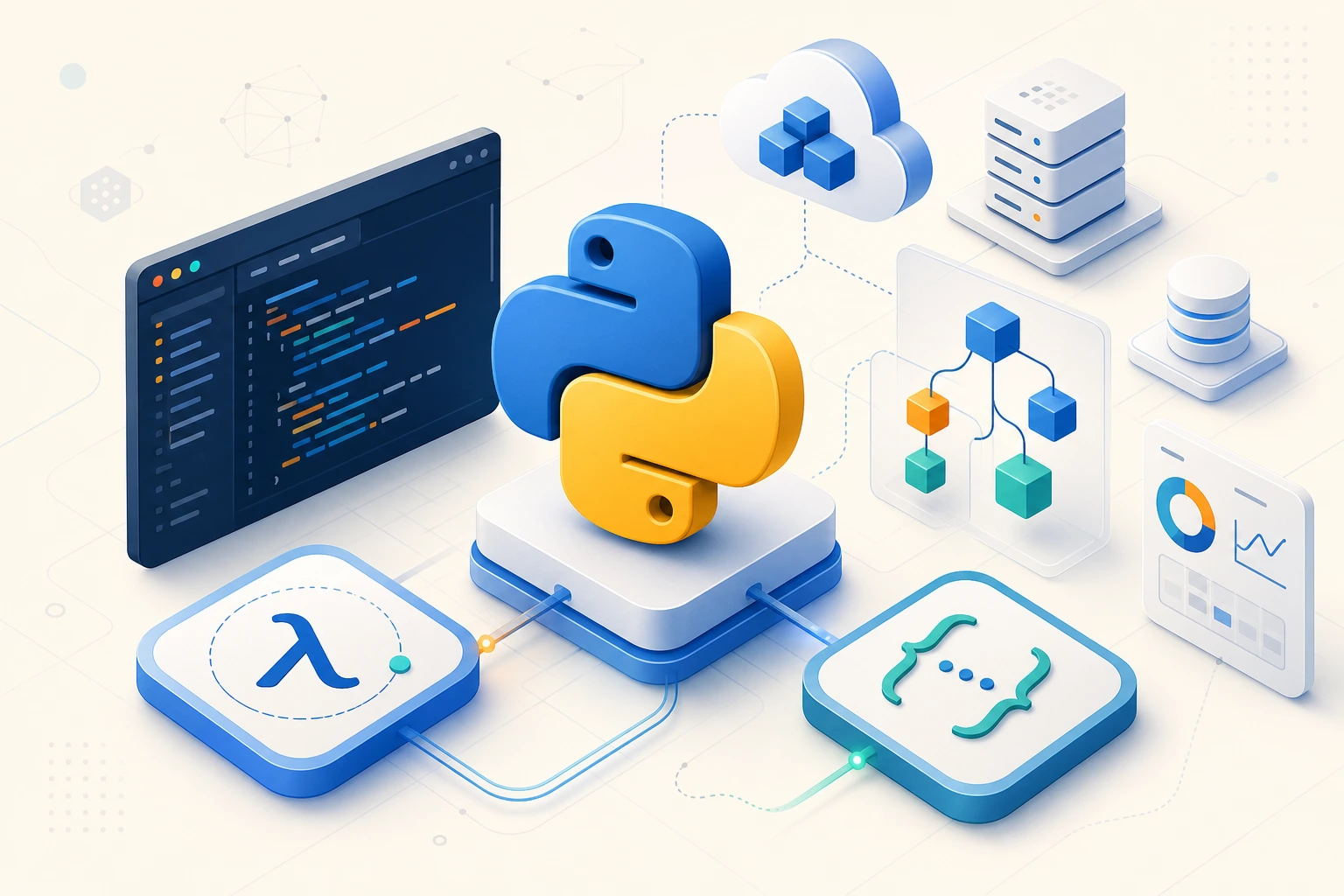
Functional Python: Lambdas & Decorators
Learn the functional patterns that power Python's most elegant production AI workloads — from pipeline composition to observability decorators.
Read →
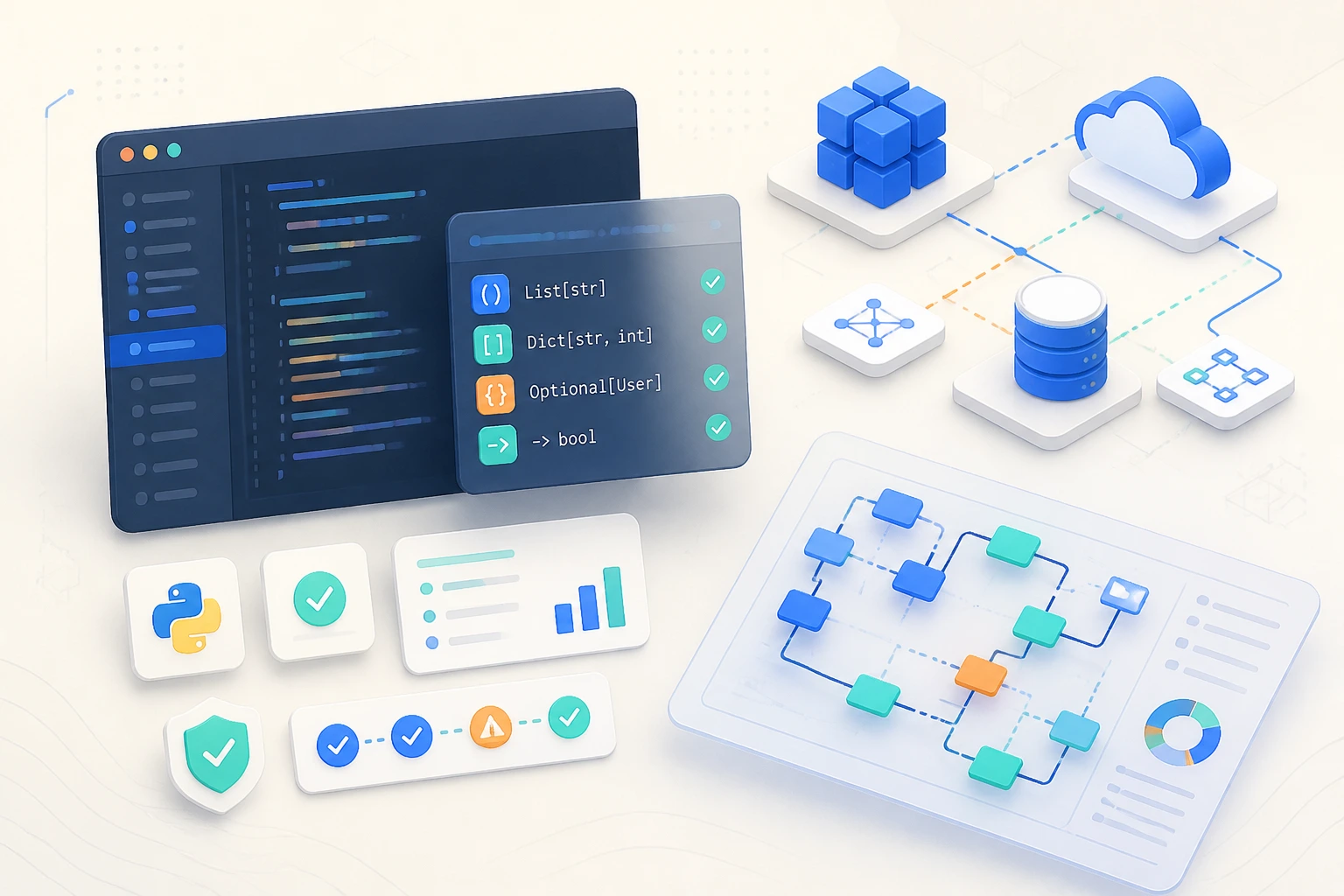
Type Hinting & Static Analysis
Add C#-style type safety to Python with type hints, mypy, and pyright. Catch bugs before runtime in AI codebases where wrong types cause subtle failures
Read →
Structured Data Validation with Pydantic v2
Learn structured data validation with pydantic v2 through practical AI engineering scenarios, focusing on production-ready Python techniques used in modern AI applications, agents, RAG systems, and enterprise architectures.
Read →
Mastering asyncio for High-Throughput AI Apps
Learn mastering asyncio for high-throughput ai apps through practical AI engineering scenarios, focusing on production-ready Python techniques used in modern AI applications, agents, RAG systems, and enterprise architectures.